This is the question almost every business owner asks us first, usually before asking what digital marketing even includes. The honest answer is: it depends, but not as much as agencies like to pretend. There are sensible ranges, and there is a simple way to work out yours.
Here is the short version: most Indian small businesses that market seriously spend between ₹15,000 and ₹75,000 a month on digital marketing in total, including ad spend. Very small local businesses can start usefully at ₹10,000 to ₹15,000. Below that, pick one channel and do it properly rather than spreading a little everywhere.
First, separate the two kinds of cost
Every marketing budget has two parts, and mixing them up causes most confusion. The first is ad spend: money you pay Google, Meta or another platform directly. The second is fees and production: money you pay an agency, a freelancer or your own team for strategy, content, design and management. A quote of ₹25,000 a month might mean ₹25,000 of work with ads on top, or ₹15,000 of ads and ₹10,000 of work. Always ask which.
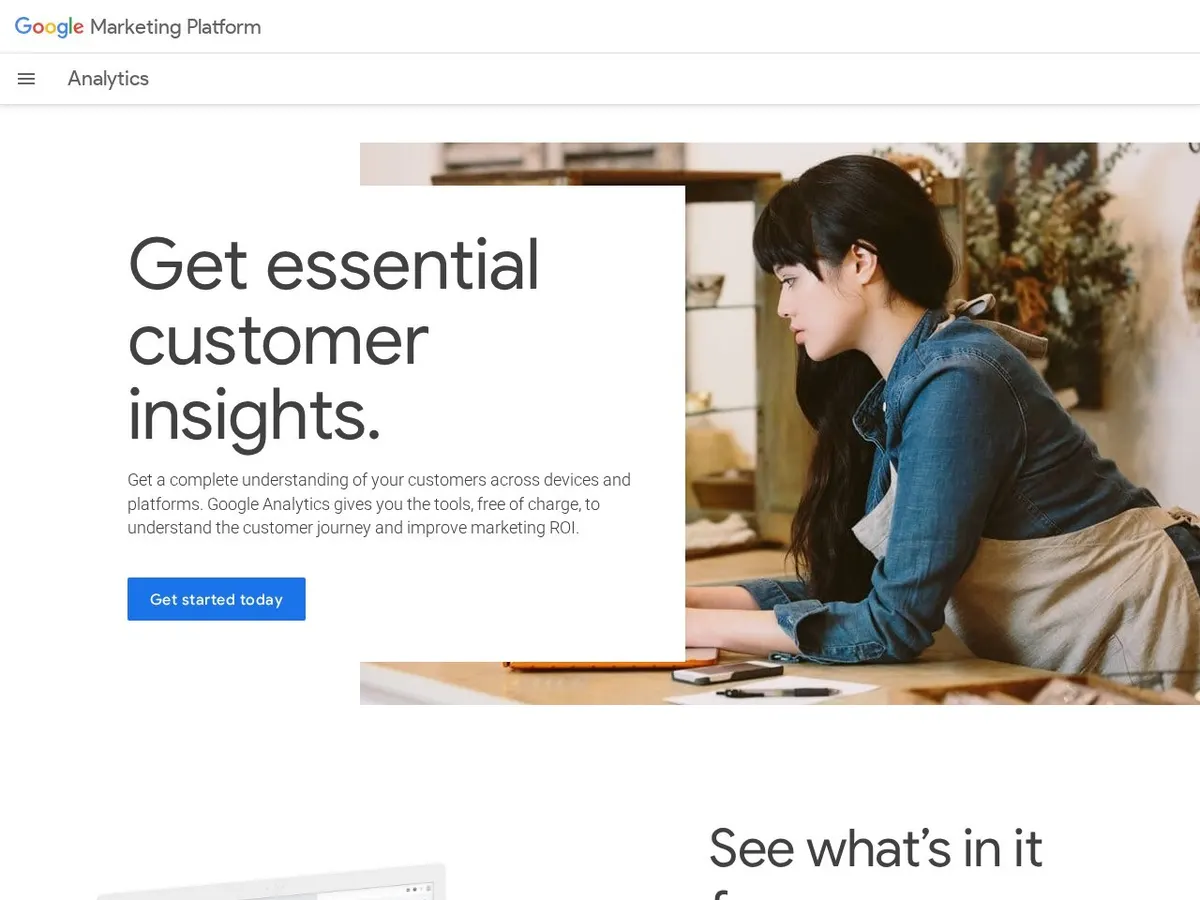
You also need measurement in place before you spend seriously. Google Analytics is free, and it is how you know whether last month's money did anything at all.
Three honest budget levels
| Level | Typical monthly total | What it realistically covers |
|---|---|---|
| Starting out | ₹10,000–₹25,000 | One main channel done well: local SEO and Google Business Profile work, or a small Google Ads campaign, plus basic social posts |
| Growing steadily | ₹25,000–₹75,000 | SEO plus ads together, regular content, social media management and monthly reporting |
| Competing hard | ₹75,000–₹2,00,000+ | Multiple channels, bigger ad budgets, video content, landing pages and a team treating marketing as a growth engine |
These are working ranges we see across Indian towns and metros, not price lists. A dentist in Patna and a fashion store in Mumbai will not spend the same, and they should not. Competition in your city and your category decides how far each rupee goes.
A simple rule for setting your number
If ranges still feel vague, use the revenue rule: many growing businesses put roughly 5 to 10 percent of revenue into marketing overall. A business turning over ₹3 lakh a month might spend ₹15,000 to ₹30,000. One turning over ₹15 lakh might spend ₹75,000 to ₹1,50,000. New businesses chasing growth lean towards the top of the range; settled businesses with steady repeat customers can sit lower. Treat it as a guide, not a law, and never spend money you need for salaries and stock.
How to split the money
For a typical local or service business, a sensible starting split looks like this:
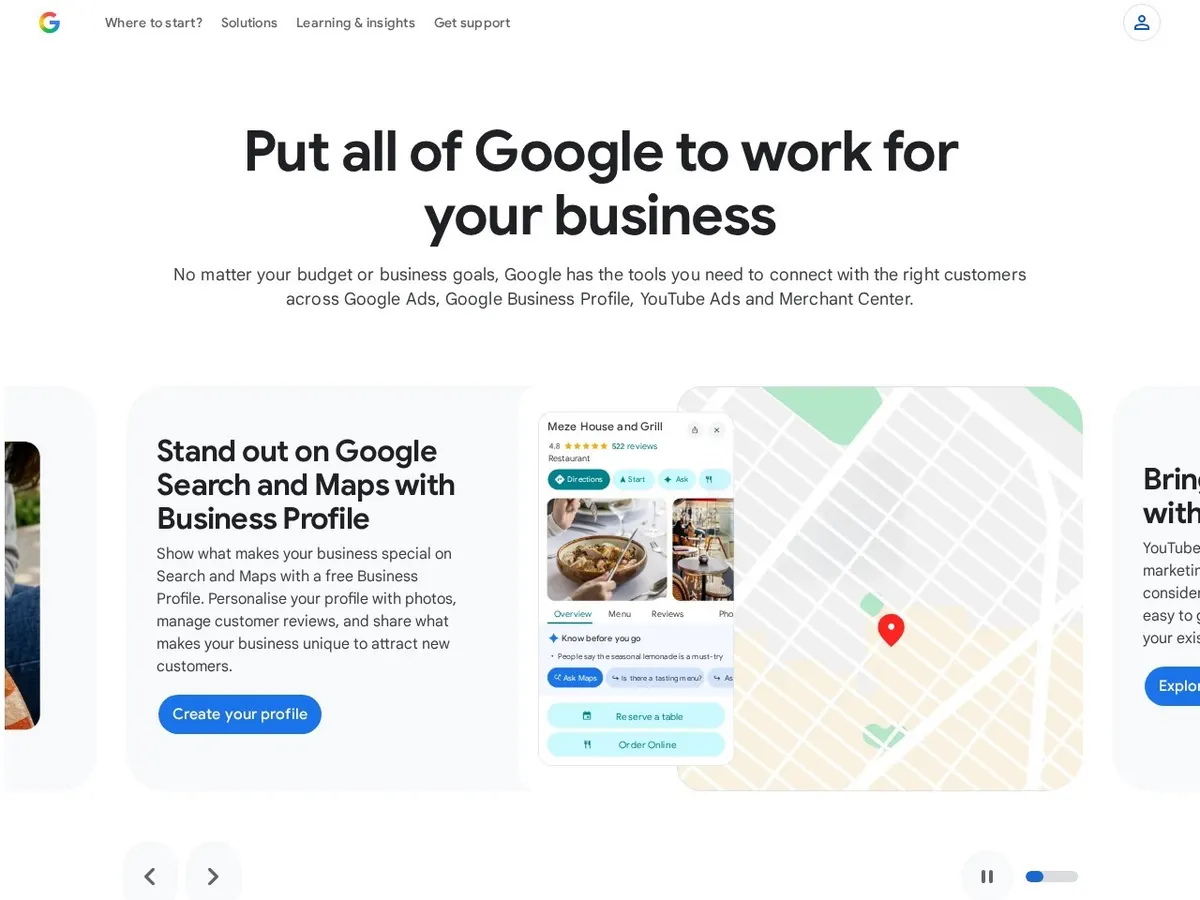
- Search visibility, about 40 percent: SEO work and keeping your Google Business Profile complete and reviewed. Our SEO services page explains what that work involves month to month.
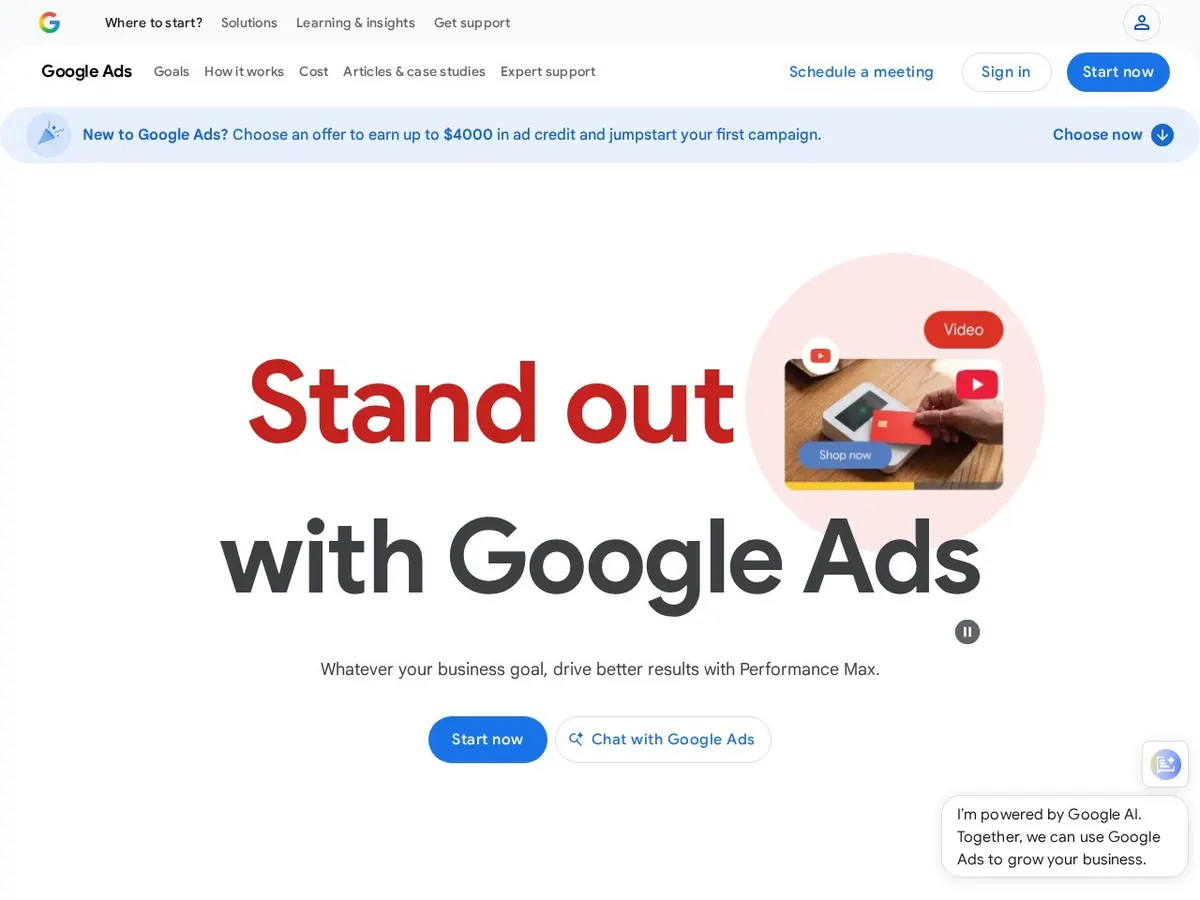
- Paid ads, about 35 percent: Google Ads for people actively searching, and Meta ads for discovery. Google's own how Google Ads works page explains budgets and bidding in plain language, and it is worth ten minutes before you set a budget.
- Content and social, about 25 percent: the posts, photos, short videos and website updates that make the other two work better. See our social media marketing services for what regular management covers.
Online stores usually shift more towards ads and product content. Professional services usually shift more towards search and trust-building content. The split matters less than this: fund one channel properly before adding a second. We compared the two biggest channels in our guide to SEO vs Google Ads: which to choose first.
What different channels roughly cost
Google Business Profile management is often included in local SEO work; the profile itself is free, and for many local businesses it brings more calls than any paid channel. SEO retainers for small businesses commonly run ₹10,000 to ₹40,000 a month depending on competition and how much content is included; results build over months, as we set out in our honest guide to how long SEO takes. Google Ads can start at ₹300 to ₹500 a day in a small town and need several times that in a metro or a costly category like education or real estate. Social media management commonly runs ₹10,000 to ₹35,000 a month for regular posting, before any ad spend on top.
Three ways small businesses waste this money
Spreading too thin. ₹2,000 each on five channels buys five failures. Pick the channel closest to your customers and fund it properly. Boosting posts instead of running campaigns. The boost button is easy, but proper campaigns with the right audience and a clear goal nearly always return more, which is why our PPC services are built around managed campaigns, not boosts. Judging too early. Ads need a few weeks of data to settle; SEO needs months. Decide your review period before you start, then judge on enquiries and sales, not likes.
So, what should you spend?
Start from revenue, pick your level honestly, fund one or two channels properly, and measure enquiries from day one. A modest budget spent in the right order beats a large one spent at random. And be suspicious of anyone who quotes a figure before asking about your business, your city and your customers.
If you would like a straight answer for your situation, tell us about your project: share your rough monthly range and what you sell, and we will tell you plainly what that budget can and cannot do. You can also see everything we offer on our digital marketing services page.
Questions people ask us
Can I do digital marketing for ₹5,000 a month?
You can start, but keep expectations narrow: claim and complete your Google Business Profile, post consistently yourself, and put a small amount behind one tightly targeted ad. At this level your time is doing most of the work, and that is fine for a very small business.
Is ad spend included in agency fees?
Usually not. Most agencies charge a management fee and the platforms bill your card directly for ads. Always ask for the split in writing before you sign, so there are no surprises in month two.
How soon will I see returns?
Ads can bring enquiries within days, though the first few weeks are partly learning. SEO and content build over three to six months. Anyone promising fixed returns or guaranteed rankings is selling you a story, not a service. Google's own guide on whether you need an SEO professional is a good honesty check.
Should I spend more during festival season?
Often yes for retail and e-commerce, because buyers are ready and competitors bid prices up. Plan it in advance as part of the yearly budget rather than panic-spending in the busiest week.