A customer looks at your best-selling product for two minutes, then leaves. A day later, while scrolling Instagram, they see your product again. The next morning it appears on a news site they read. By the weekend, they return and buy it. That is retargeting — one of the cheapest forms of advertising a small business can run.
The short answer: retargeting (also called remarketing) shows ads only to people who have already visited your website, reminding them to come back and finish what they started. Because they already know you, these ads cost less per click and convert far better than ads shown to strangers — for most Indian small businesses, the first paid-ad campaign worth running once the website is in good shape.
1. The shopkeeper analogy (the only one you need)
Imagine a customer walks into your shop, picks up a kurta, checks the price, and puts it back. A good shopkeeper does not chase them down the street — but if they pass again tomorrow, they might say, "That kurta is still here — 10% off this week." That gentle reminder is exactly what retargeting does online.
Your website is the shop, the visitor is the customer who left, and the ad is the shopkeeper's reminder — shown later, on another site or app, when the person is free to think about it. The visitor can switch the ads off, and the system never learns their name — only that a browser visited a page.
2. How it works, in three steps
The whole system runs on three simple pieces:
- A small piece of code on your website. Google calls it a tag, Meta calls it a Pixel — a few lines of code, added once, that notes each visit.
- An audience list. The platform builds a list of those visitors — for example, "everyone who visited the pricing page in the last 30 days". You never see names — the platform only counts browsers.
- Your ad, shown to that list. When someone on the list opens YouTube, Instagram or a news site, the platform shows them your ad, not a random one.
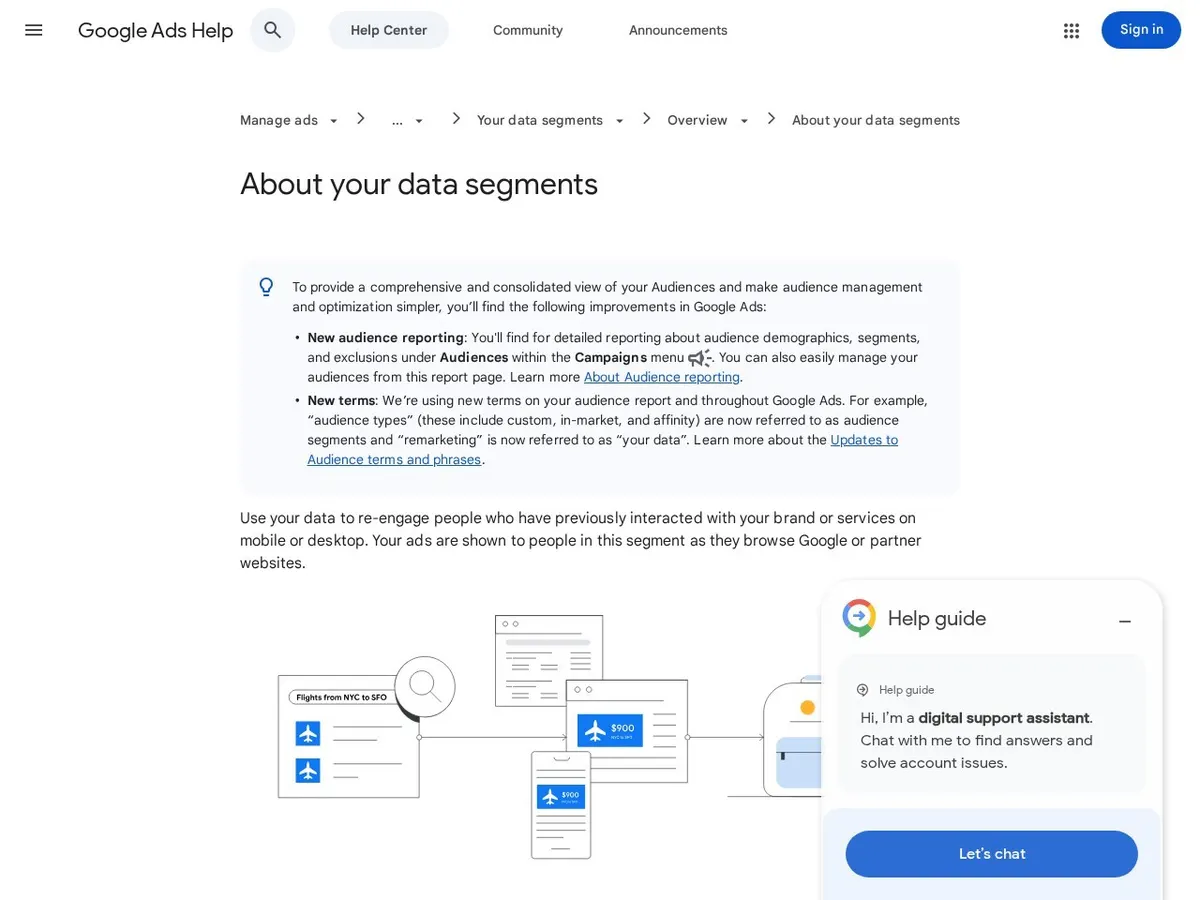
Google now calls these lists "data segments" ("remarketing" is the old word). Google's guide to your data segments is the reference to read first.
3. Where your ads can follow people
There are two main places to run retargeting, and most small businesses start with one. Either way, you are talking to a warm audience — so clicks usually cost less than advertising to strangers:
- Google Ads. Your ads appear on YouTube, partner websites and search results — best when people were comparing products and still researching. Our PPC services cover the full setup, and our beginner's guide to Facebook Ads explains the other side.
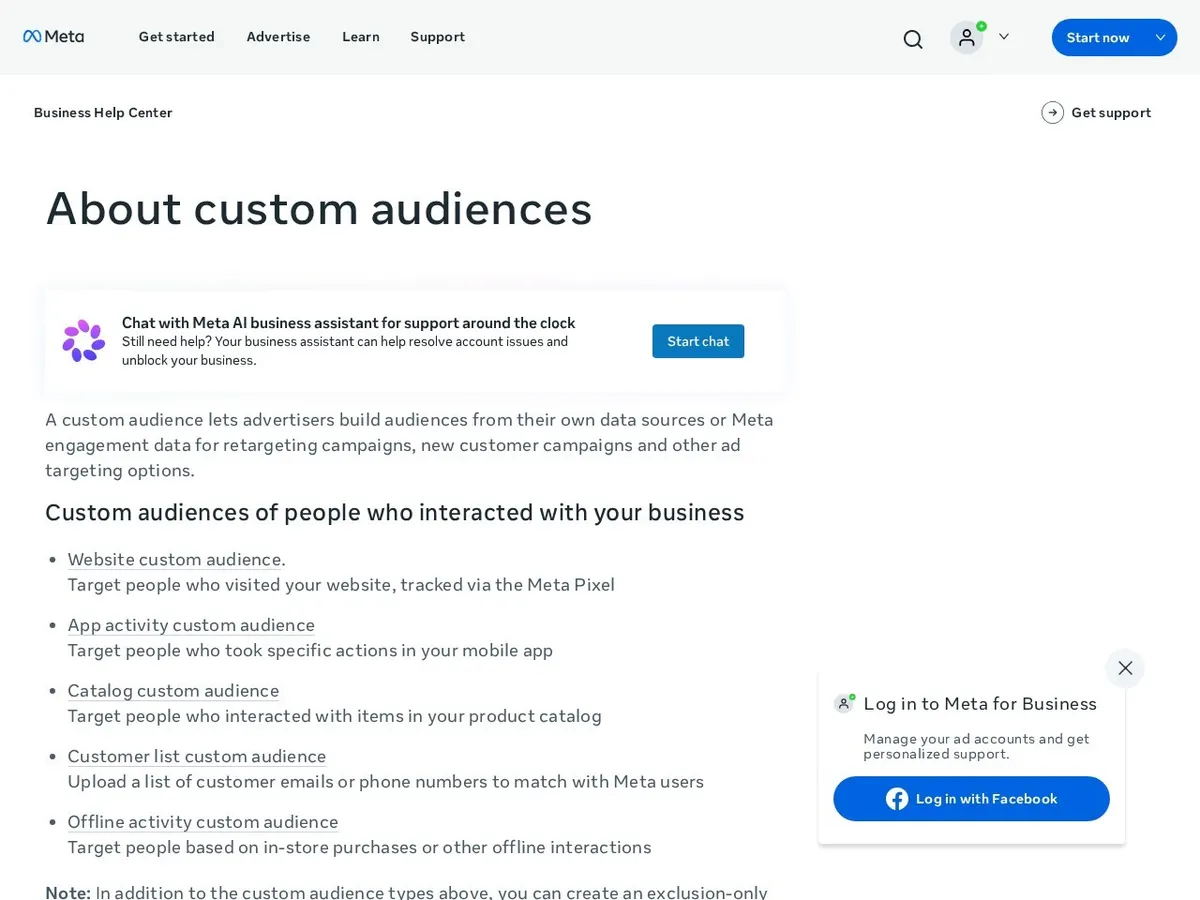
- Meta (Facebook and Instagram). Your ads appear in the feed, Stories and Reels — best for impulse buys like clothes, food or courses, showing the exact product they looked at. Meta builds these lists as "custom audiences", from the Pixel or a list of customer emails and phone numbers. Meta's help page on custom audiences lists every type, from website visitors to video watchers.
4. What does retargeting cost in India?
Honest numbers — agencies rarely quote these upfront:
| Item | Typical range for a small business |
|---|---|
| Daily budget to start | ₹150–₹300 a day (about ₹4,500–₹9,000 a month) |
| Cost per click | Usually ₹5–₹30, often cheaper than cold ads |
| Setup (Pixel/tag + first campaign) | ₹3,000–₹10,000 one-time via an agency; free if you follow the platform guides yourself |
| Minimum audience size | About 100 visitors for Google; 100–1,000 for Meta |
Two honest warnings. First, retargeting cannot fix a website nobody visits: under 100 visitors a month, the audience is too small for ads to run — fix traffic first, with SEO or content. Second, nobody can promise a fixed return: realistically, retargeting brings back 2–5% of the people it reaches — if an agency guarantees sales, walk away.
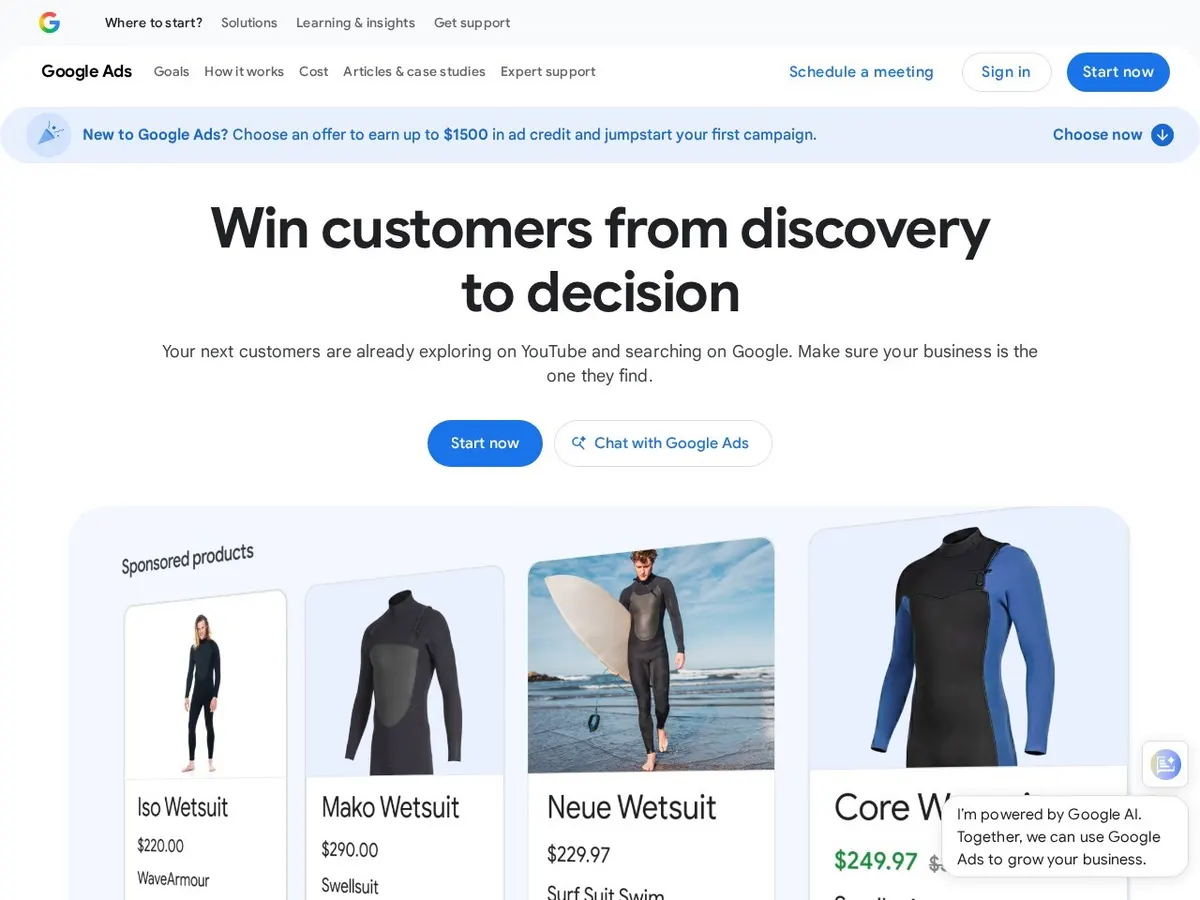
5. Your first campaign, in five steps
You do not need an agency for the first version — a patient afternoon is enough:
- Install the tag or Pixel. In Google Ads, copy the tag from Tools → Audience Manager; in Meta, create a Pixel in Events Manager. Your developer pastes it into your website once, or you add it through a plugin.
- Wait for the audience to build. The step everyone skips: give it 7–14 days so a few hundred visitors accumulate. Starting on day one, with 12 people in the audience, wastes money.
- Pick one audience to start. The simplest winner: everyone who visited your product or pricing page but never reached the thank-you page. One audience, one ad, one offer.
- Write one simple ad. Show the product they looked at, add one reason to return — a small discount, free shipping, a benefit reminder — and send them back to the exact page they left, not your homepage.
- Cap the frequency. Show it at most 3–5 times per person per week — more feels like stalking, and people start hiding your ads.
Watch it for two weeks before judging it. Check the results in Google Analytics 4 alongside the platform's own numbers — if the platform claims 20 sales and Analytics shows 12, trust Analytics. Our digital marketing services include this kind of honest reporting, and our social media marketing services cover the Meta side if you would rather hand it over.
6. Four mistakes that waste your money
- Retargeting everyone, including buyers. If somebody already bought, stop showing them the same "buy now" ad — exclude the thank-you page. A one-minute job that saves real money.
- Showing the same ad for months. People stop noticing an ad they have seen twenty times — change the image or offer every 3–4 weeks, even slightly.
- Sending people to the homepage. If they left the pricing page, send them back there. Every extra click loses buyers.
- Running retargeting with no traffic. It is a multiplier, not a tap — with 200 visitors a month there is no meaningful audience, so spend that budget on getting visitors first.
Questions people ask us
Is retargeting the same as remarketing?
Yes, for practical purposes. Google says "your data" and "data segments", Meta says "custom audiences", marketers say "retargeting" — all the same thing: ads shown to people who already interacted with you.
Is retargeting legal in India?
Yes. The platforms handle consent, and visitors can opt out or clear cookies any time. Still, keep a clear privacy policy that mentions advertising cookies — your customers expect it.
How long should an audience last?
Start with 30 days — last month's visitors are the most likely to return. For purchases people mull over longer, like furniture or weddings, try 60 or 90 days.
Can I retarget people who follow me on Instagram but never visited my website?
Yes. Meta lets you build audiences from people who watched your videos, messaged your page or engaged with your Instagram profile — no website visit needed. A good starting point while your website traffic is still small.
Retargeting is not a trick, and no replacement for a good website or product — just a reminder, shown at the right time, to people who were already interested. Start small — one audience, one ad, ₹200 a day — and let two weeks of real numbers decide whether to spend more. If you would like help setting up the Pixel, the audiences and the first campaign, tell us about your business and we will do it in plain English, with honest costs and no locked-in contracts.