What Is a Digital Marketing Strategy (and Why It Fails Without a System)
A digital marketing strategy is a documented plan that connects your business goals to your channels, messages, budgets, timelines, and KPIs.
Most strategies fail because they're:
- Goal-less (no revenue linkage)
- Channel-first (tactics without positioning)
- Under-measured (weak analytics)
- Or over-complicated (no weekly execution)
This playbook will help you avoid these pitfalls and create a strategy that actually works.
Step 1: Start with one clear business goal
Every strategy we build for a client starts with a single question: what should marketing achieve in the next 90 days? More enquiries, more online sales, more bookings, more footfall — pick one primary goal. "More traffic" is not a goal; it is a means. When the goal is clear, every later decision — channels, budget, content — becomes much easier.
Write the goal as a number. "50 qualified enquiries a month" beats "more leads" because you can measure it weekly and know early whether the plan is working.
Step 2: Know exactly who you are selling to
A strategy aimed at "everyone" converts no one. Define your best customer: where they live, what they search for, what problem wakes them up at night, and what they compare before buying. For most Indian small businesses, this means being honest about geography (your city and nearby areas), price sensitivity, and the fact that most research happens on a phone, often starting on Google or WhatsApp.
Step 3: Choose channels by intent, not by fashion
Channels fall into two simple groups. Capture demand — people already searching for what you sell: SEO, Google Ads and your Google Business Profile. Create demand — people who are not searching yet: social media, content and email. A new business usually captures demand first, because those visitors convert fastest. We compared the two biggest capture channels in detail in SEO vs Google Ads: which should a small business choose first?
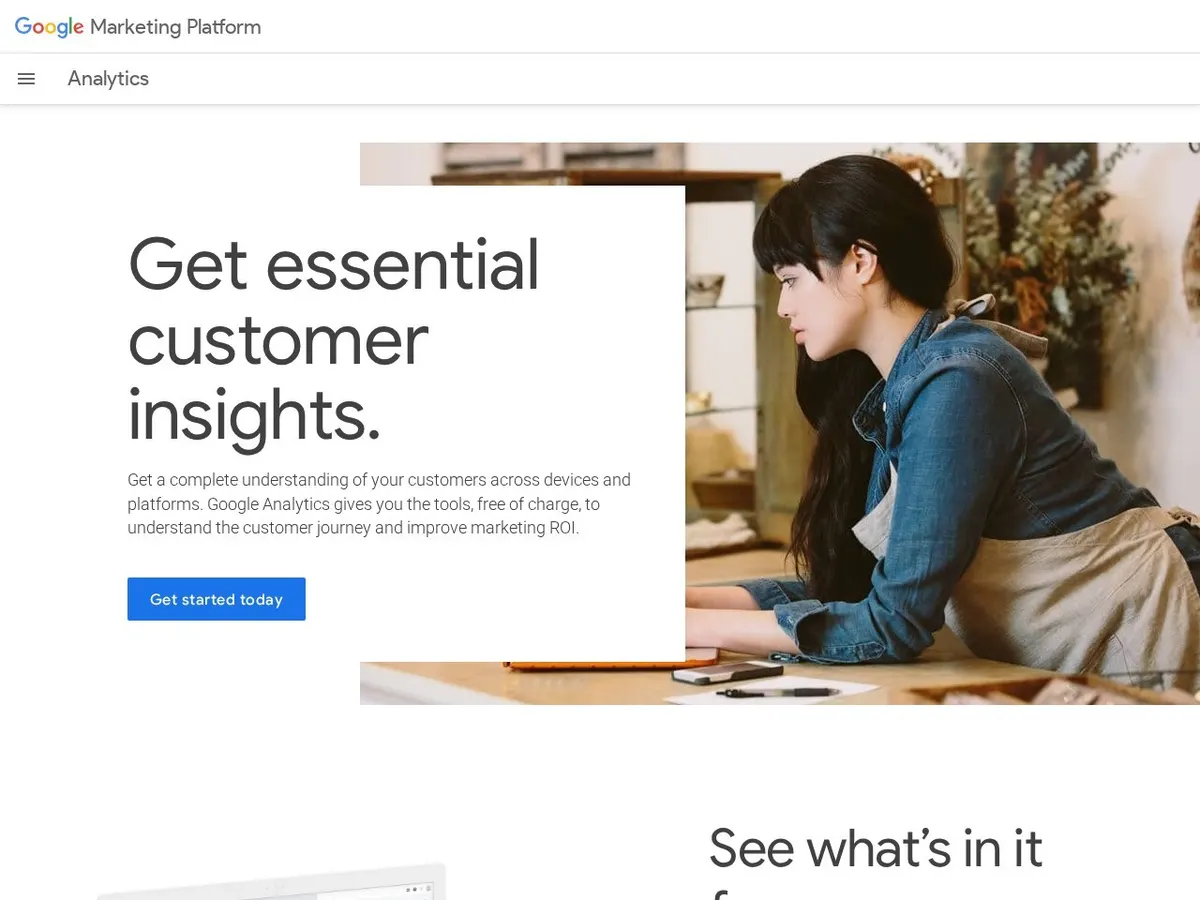
Whatever you choose, measurement comes before spending. Set up Google Analytics and conversion tracking on day one — a channel you cannot measure is a channel you cannot improve.
Step 4: Fix the website before you buy traffic
Your website is where every channel lands. Sending paid or organic traffic to a slow page with no clear call-to-action is the most common way small businesses waste money. Before increasing any budget, check three things: the site loads fast on mobile, every page answers one clear question, and contacting you takes one tap (call button, WhatsApp button or a short form). If the foundations feel shaky, our guide on how long SEO honestly takes explains what results to expect and when.
Step 5: Run it weekly, review it monthly
A strategy is a rhythm, not a document. Weekly: publish or improve one piece of content, check your top search queries, respond to every review and message. Monthly: compare results against the 90-day goal, cut what is not working, and double down on what is. Businesses that keep this boring rhythm for six months almost always beat competitors who chase a new tactic every week.
Questions people ask us
How much should a small business spend on digital marketing?
There is no universal number, but most growing Indian businesses invest roughly 5–10% of revenue. What matters more than the amount is consistency — a modest budget spent every month beats a large budget spent once.
Which channel gives results fastest?
Google Ads can bring enquiries within days. SEO and content take months but keep delivering after you stop paying. Most businesses need both at different stages.
Can I do digital marketing myself?
You can start yourself — profiles, reviews and basic content are free. Most owners hand it over when the time it takes starts costing more than the fee.
Want a strategy built around your business goals instead of guesswork? Tell us about your project and we will reply with an honest plan and clear pricing.