When someone nearby searches "salon near me", "best cafe in Patna" or "plumber near me", Google does not show every business in India. It shows a short list of local businesses, usually on Maps and at the top of Search. If your business is not in that list, a ready-to-buy customer often never finds you.
Here is the short version: local SEO is mostly about clear, consistent local information. Claim and complete your Google Business Profile, choose the right categories, keep your name, address and phone number identical everywhere, collect genuine reviews, add real photos, and give each main service and area its own helpful page on your website. Do those basics well before you spend on anything fancy.
1. Start with your Google Business Profile
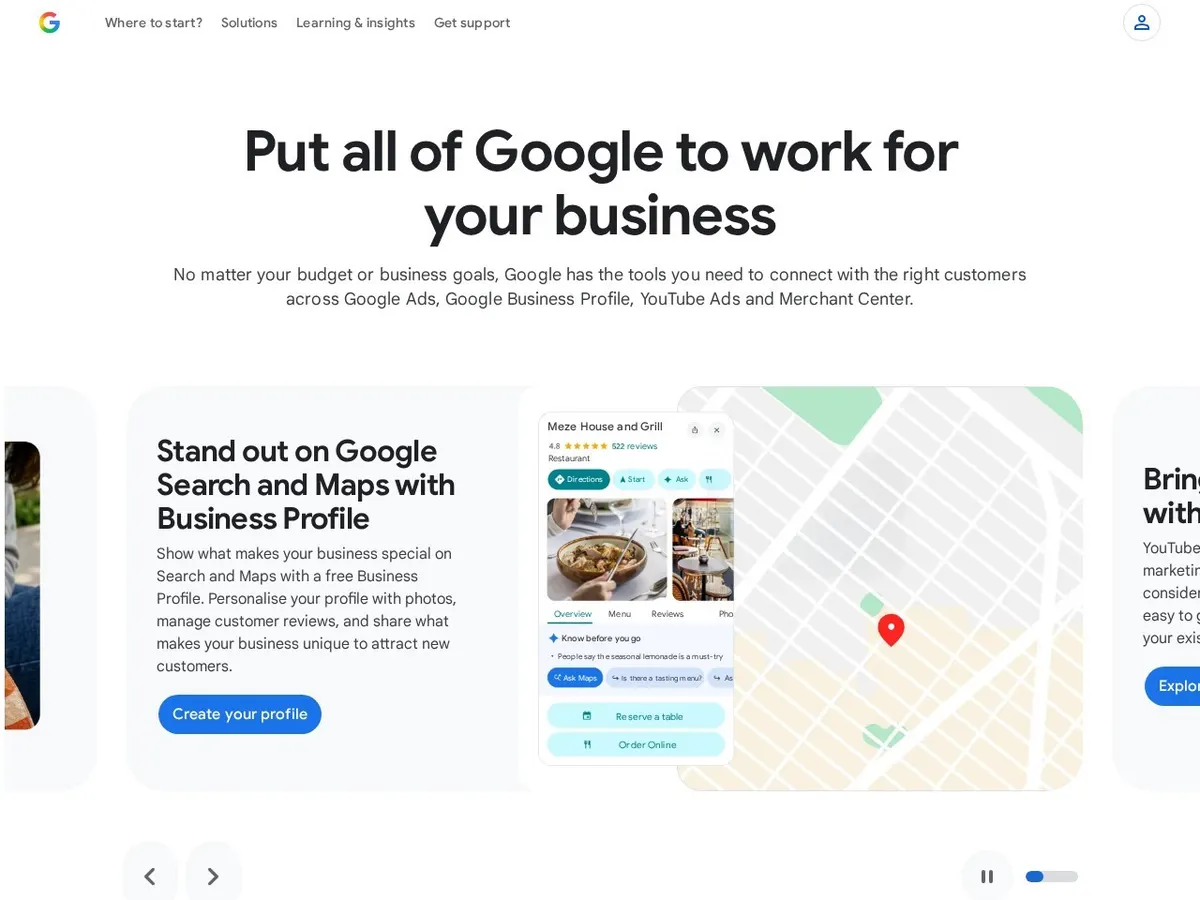
Your Google Business Profile is the free listing that can appear on Google Search and Maps. It is the single most important local SEO asset for most shops, clinics, salons, restaurants, coaching centres and service businesses.
Check these items first:
- Claim and verify the profile. If you did not create it, claim it. Do not create a duplicate listing for the same shop.
- Use your real business name. Do not stuff keywords into the name, such as "Best Cheap Salon Hair Spa". Apart from looking spammy, it can create trust and policy problems.
- Pick the most accurate primary category. A dentist, a dental clinic and an orthodontist are not the same search intent. Add secondary categories only where they truly fit.
- Fill every useful field. Address or service area, phone number, opening hours, holiday hours, website, appointment or booking link, services, and attributes that are actually true.
- Write a plain description. Say what you do, who you serve, and which areas you cover, in normal language a customer understands.
We have a separate step-by-step guide to the complete Google Business Profile setup for local businesses. If your profile is not set up yet, finish that first, then return to this checklist.
2. Keep your name, address and phone number identical everywhere
Customers and Google both get confused when your details differ from place to place. Different phone numbers or an old address make people hesitate, and weaken the signals about which listing is correct.
Make one master record and copy it exactly:
| Detail | What to standardise | Where to check it |
|---|---|---|
| Business name | Same spelling everywhere, no keyword stuffing | Website, profile, Instagram, directories |
| Address | Same shop number, street, area, city and PIN code | Google Maps pin, website contact page, invoices |
| Phone number | One main number that is actually answered in business hours | Profile, website header, WhatsApp link |
| Opening hours | Same hours, including Sunday and holiday updates | Profile, website, social pages |
| Website link | One working page, ideally a local or service page, not a broken link | Profile and every directory listing |
This clean-up costs nothing except an hour of attention, and it often fixes problems that no advertising budget can fix. Google's own Business Profile Help Center explains profile rules, edits and verification in detail, so use it as your reference instead of random tips.
3. Treat reviews as part of the service, not an afterthought
Reviews often decide the choice. Between two similar clinics or cafes, most customers call the one with recent, specific reviews and polite owner replies.
A simple, honest review routine works best:
- Ask at the moment the customer is happy, in person, and share your official review link or QR code.
- Never buy reviews, offer discounts for five stars, or ask only happy customers while hiding the link from others.
- Reply to every review within a day or two. Thank people by name where possible, and answer complaints calmly without arguing in public.
- Look for patterns. If three people mention parking, waiting time or a helpful staff member, fix or highlight that point.
Our guide on how to get more Google reviews for your local business goes deeper on asking well. Done properly, reviews support both rankings and trust; done with shortcuts, they can damage the profile you depend on.
4. Add real photos and keep the profile alive
Photos help a stranger judge whether your place looks clean and real. Add your shopfront, interior, team at work, and actual products or finished work. A tidy phone photo in daylight beats a stock image of a shop in another country.
Then keep the profile current. Update holiday hours before a festival closure, add new services when you launch them, and remove old photos. During busy seasons such as Diwali or admissions, a short update about timings or booking rules can save your staff many repeated calls.
5. Give your website local pages that actually help
Your website should back up your profile, not repeat a generic homepage. At minimum, a local business needs:
- A contact page with the same name, address, phone number and hours, plus a map or clear directions and nearby landmarks.
- One page per main service, explaining who it is for, what it includes, typical price range where you can state it honestly, and how to book.
- Location pages only where you genuinely serve that area. Do not create twenty near-identical area pages with the city name swapped; thin pages like that help nobody.
- Fast, mobile-friendly pages. Most local searches happen on phones, often while the person is already travelling.
Google's SEO Starter Guide covers the website basics behind this, in Google's own words. If your site needs those service and location pages built properly, that is part of our local SEO services and our wider SEO services in India.
6. Measure calls and directions, not just rankings
Local SEO is working when the phone rings and people ask for directions. Check your profile insights monthly for searches, calls and direction requests. Make call and WhatsApp buttons easy to tap, and ask new customers: "How did you find us?" That habit tells you more than a complicated report.
Expect steady work, not overnight magic. Consistent details can help in weeks, while competitive city keywords can take a few months. Anyone guaranteeing a number one Maps ranking is selling a story, not a service.
If you want help working through this checklist, our digital marketing services cover local SEO as part of a practical plan for Indian small businesses. Tell us about your project - your city, your main services and your current Google listing - and we will tell you honestly what to fix first, including what you can do yourself for free.
Questions people ask us
How long does local SEO take to show results?
Fixing your profile, categories and contact details can help within a few weeks. Stronger Maps visibility in a competitive city usually takes two to four months of consistent reviews, photos and useful local pages.
Can I rank on Google Maps without a website?
You can appear with only a Business Profile, and many small businesses start that way. A website still helps: it gives customers more detail, supports bookings and enquiries, and strengthens trust when people compare you with competitors.
How many Google reviews do I need?
There is no magic number. Recent, genuine reviews matter more than a large old total. Aim for a steady routine, such as a few new reviews every month, and reply to all of them.
Should I create a page for every area I serve?
Only where you can write a genuinely useful, different page about real work in that area. Copying the same page with a new area name creates thin content and rarely helps for long.