Most small business owners in India have heard that they should "do content marketing". Far fewer have been told what that means in practice — or how a small business with no marketing team is supposed to find the time for it.
The short answer: content marketing is answering your customers' real questions in public, once a week, in a format you can sustain — and it works because Google and your customers both reward the business that explains things clearly. You do not need a content team or a big budget. You need one useful piece a week, aimed at the exact people who might buy from you.
1. Start with the questions your customers already ask
Every small business sits on a goldmine it never uses: the questions customers ask on the phone, on WhatsApp and across the counter. "How much does a root canal cost?" "Which board is better for Class 10?" "Can I return this kurti after washing it once?" Each of those questions is one article, one short video or one social post — and each one is something a real person in your city is typing into Google right now.
Write down the ten questions you hear most often. That is your first ten weeks of content, already done. A good article answers one question properly: what it costs, how long it takes, what can go wrong, and what to do next. This is also where a proper plan helps. Our digital marketing strategy playbook shows how content fits alongside SEO, ads and social media, so the blog is not a lonely side project but part of one plan.
2. Pick two formats and do them well
Trying to be everywhere at once — blog, YouTube, Instagram, LinkedIn and a podcast — lasts about three weeks. Pick two formats you can actually keep up:
- One written piece a week. A blog post of 800–1,200 words on your own website. It lives on Google for years and keeps bringing visitors long after you publish it.
- One short version for social media. Turn the same article into 3–4 short posts or a 60-second video — the same answer in a different shape, not new content.
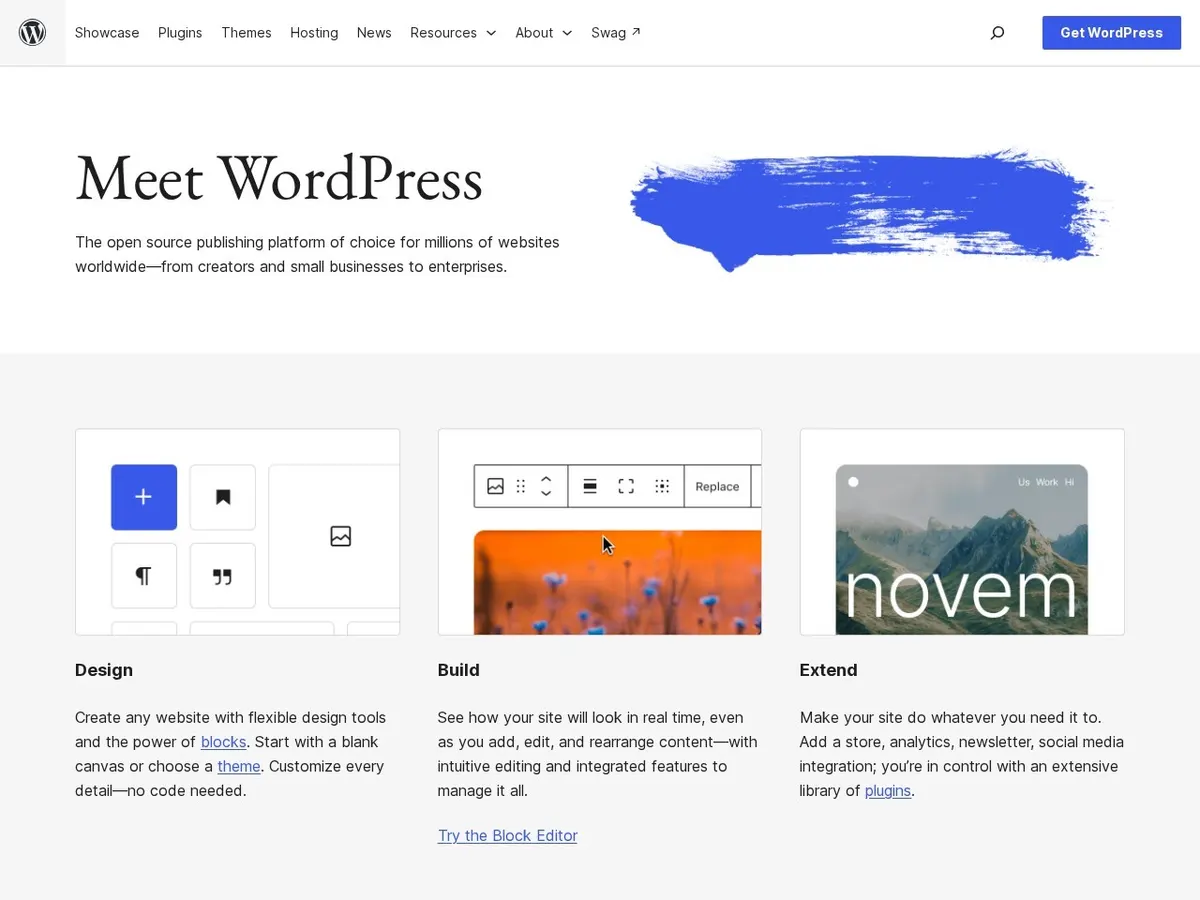
For the blog itself, WordPress remains the simplest choice for most Indian small businesses: free, supported by every host, and easy to publish on without code. If your website is not set up for blogging yet, our content marketing services include the setup as well as the writing.
3. Write for people first, Google second
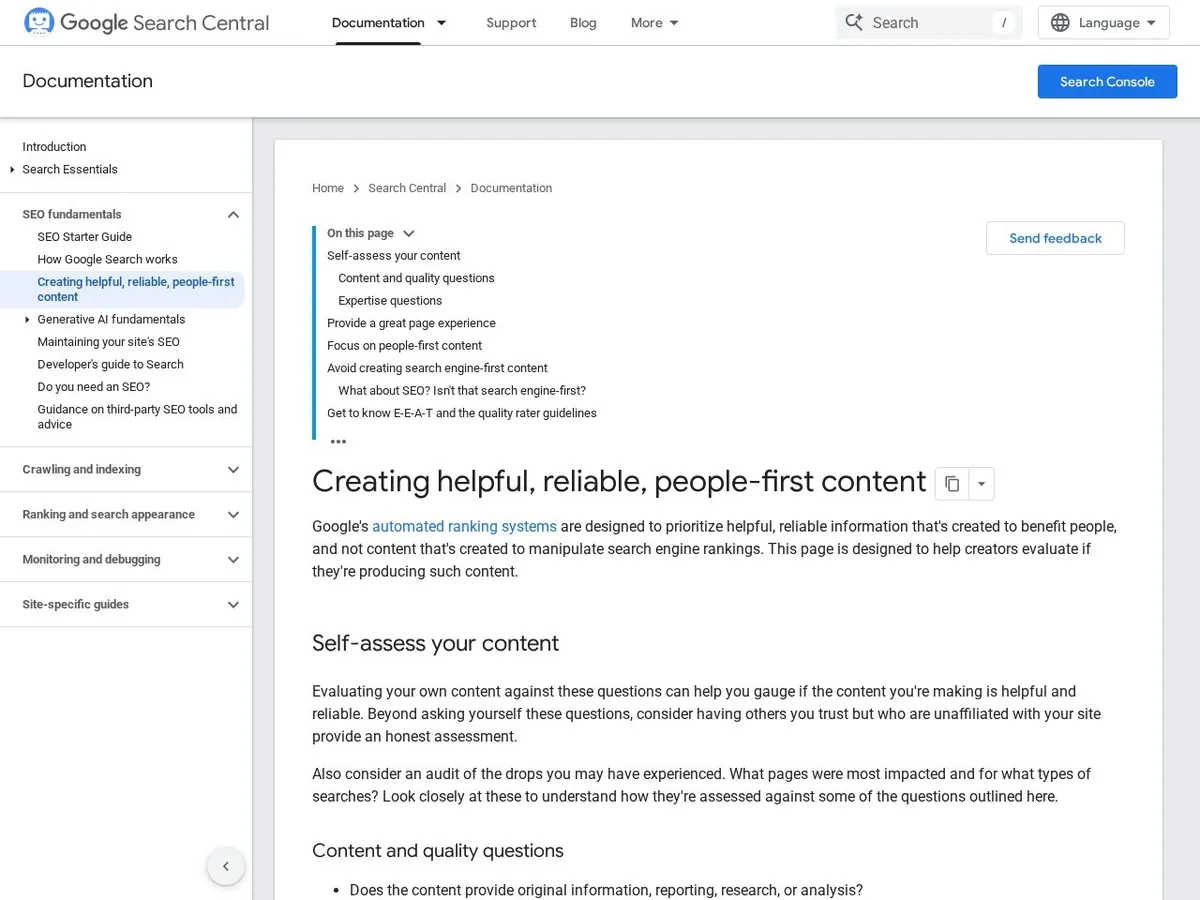
Google says it plainly: its ranking systems prioritise helpful, reliable information created to benefit people — not content made to manipulate rankings. If a real customer would find your article useful, you are already doing SEO correctly.
In practice, that means a few simple habits. Use the customer's own words in your headings — "how much does X cost in Patna" beats "affordable solutions for your needs". Answer the question in the first paragraph, then give the detail. Show real numbers: prices, timelines, sizes, delivery areas. And never copy another website's article and change a few words — Google recognises thin, copied content, and your customers will too. Google's own guide to creating helpful, people-first content lists the exact questions to ask yourself before publishing — worth reading once, because it is the standard your articles are judged against.
4. Find topics people actually search for — free
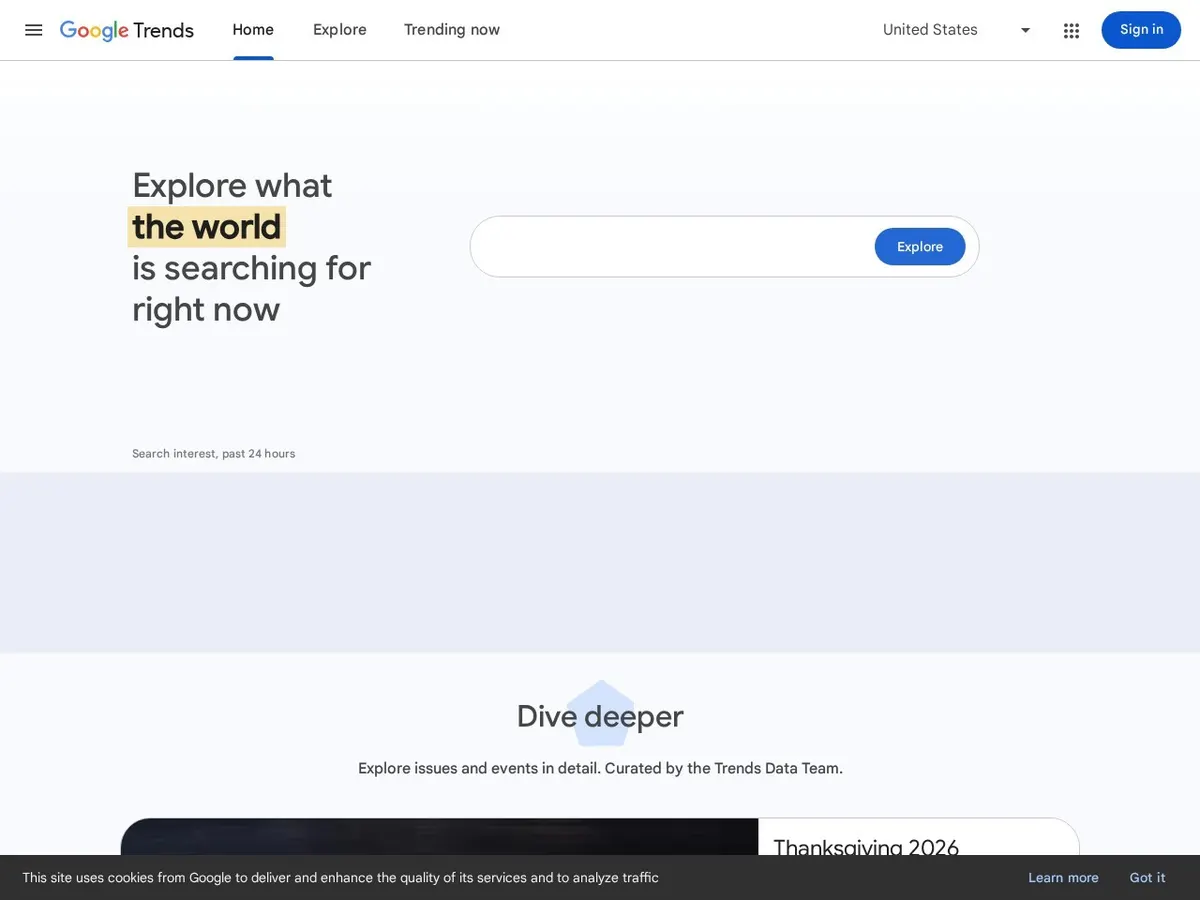
You do not need a paid SEO tool to pick good topics. Two free tools cover most of what a small business needs. First, Google Trends shows whether interest in a topic is rising or falling, and which cities search for it most. Second, Google's search box: type the start of a question and read the autocomplete suggestions — real searches by real people.
One caution: do not chase a trending topic that has nothing to do with your business. A plumbing business writing about a cricket match gets traffic that never buys anything. Ten visitors who might hire you are worth more than ten thousand who will not. Our SEO services start with this kind of keyword research, so the content targets searches that can actually turn into enquiries.
5. Share every piece more than once
Publishing an article and hoping people find it is only half the job. A single article should be shared at least three times in different forms: the day it goes live, a week later with a different opening line, and a month later while it is still relevant.
This is where content and social media feed each other. The blog gives your social accounts something useful to say, and social media sends the first readers to the blog. Our guide to social media marketing on a small budget shows how to stretch one piece of content across a whole week without ads. If you want the full picture, our digital marketing services cover content, SEO and social media as one plan.
A simple 4-week plan to start
Here is the whole plan on one table. Two to three hours a week is enough.
| Week | Do this | Time needed |
|---|---|---|
| Week 1 | List your 10 most-asked questions; check 2–3 on Google Trends | 1 hour |
| Week 2 | Publish article 1; share it on WhatsApp and social media | 2–3 hours |
| Week 3 | Publish article 2; turn article 1 into a short video or 3 social posts | 2–3 hours |
| Week 4 | Publish article 3; check which article got the most visits and enquiries | 2–3 hours |
After a month you will have three articles, a sense of which questions your customers care about most, and — usually — the first enquiries that mention something they read on your site. Keep going for three months and the articles start compounding: older posts keep ranking while new ones add more doors into your business. Content marketing rewards patience, not perfection — start with one honest answer a week. If you would like help with the writing, the topics or the whole plan, tell us about your business and we will build a content plan around the questions your customers are already asking.
Questions people ask us
How much does content marketing cost for a small business?
Doing it yourself costs nothing but 2–3 hours a week — a free WordPress blog, free tools like Google Trends, and your own knowledge. Hiring an agency in India typically starts around ₹8,000–₹20,000 a month, depending on volume and research.
How long does content marketing take to bring enquiries?
Expect the first signs in 6–8 weeks and steady enquiries in 3–6 months. Google needs time to index and rank new articles, and trust builds article by article. It is slower than ads, but the articles keep working for years.
How often should a small business publish content?
Once a week is the sweet spot — frequent enough for Google to notice, realistic enough to sustain. One good article a week beats four rushed ones a month, because quality is what earns both rankings and enquiries.
Can I do content marketing myself, or do I need an agency?
You can start yourself — nobody knows your customers' questions better than you do. An agency helps when you run out of time, need keyword research and SEO structure, or want the content promoted properly.