
Most business websites do not fail in one dramatic moment. They fade slowly: the design starts to feel old, the phone view gets harder to use, and weekly enquiries quietly dry up.
Here is the short answer: your website probably needs a redesign if you recognise four or more of the ten signs below. One or two signs usually mean a focused fix is enough. Four or more means the structure itself is holding your business back.
Redesign, refresh or small fix: what is the difference?
A small fix changes one thing: a broken form or an outdated price. A refresh updates the look: colours, fonts and photos, while the pages stay the same. A redesign rethinks the structure: which pages exist, what each page should achieve, and how visitors reach an enquiry. Our UI/UX design services start by working out which of the three your site needs.
The 10 signs, in plain English
| Sign | Quick check |
|---|---|
| 1. It looks dated | Compare it with three competitors |
| 2. It works badly on phones | Send an enquiry one handed |
| 3. It loads slowly | Test it on PageSpeed Insights |
| 4. Visitors come, enquiries do not | Compare traffic with actual enquiries |
| 5. You cannot update it yourself | Try changing a price alone |
| 6. It no longer matches your business | Check it against today's services |
| 7. Google traffic is falling | Check 12 months in Search Console |
| 8. Trust details are wrong | Check prices, address and reviews |
| 9. It is hard to read | Read it outdoors on a phone |
| 10. It keeps breaking | Count errors and old plugins |
1. It looks dated next to your competitors
Design ages quickly. Wide banners, tiny text, crowded sidebars and stock photos from a decade ago tell visitors, fairly or not, that the business is behind the times. Put your homepage next to three competitors on a phone. If yours clearly looks the oldest, visitors notice the same thing.
2. It works badly on phones
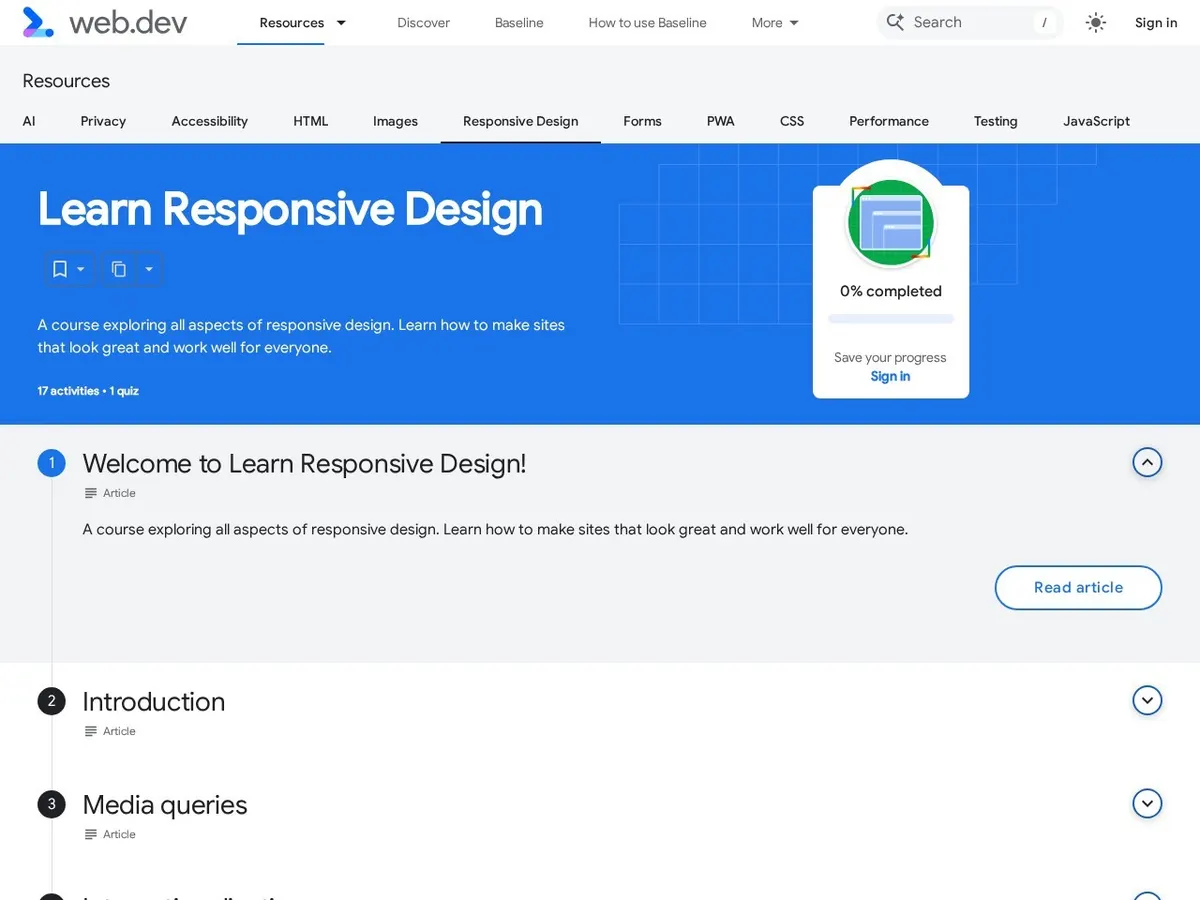
For most Indian businesses, the phone is the shop front. If menus are hard to tap, text needs zooming, or the call button hides behind a pop-up, mobile visitors simply leave. Google's free Learn Responsive Design course on web.dev explains what a properly responsive site should do. A redesign today is designed mobile first.
3. It loads slowly
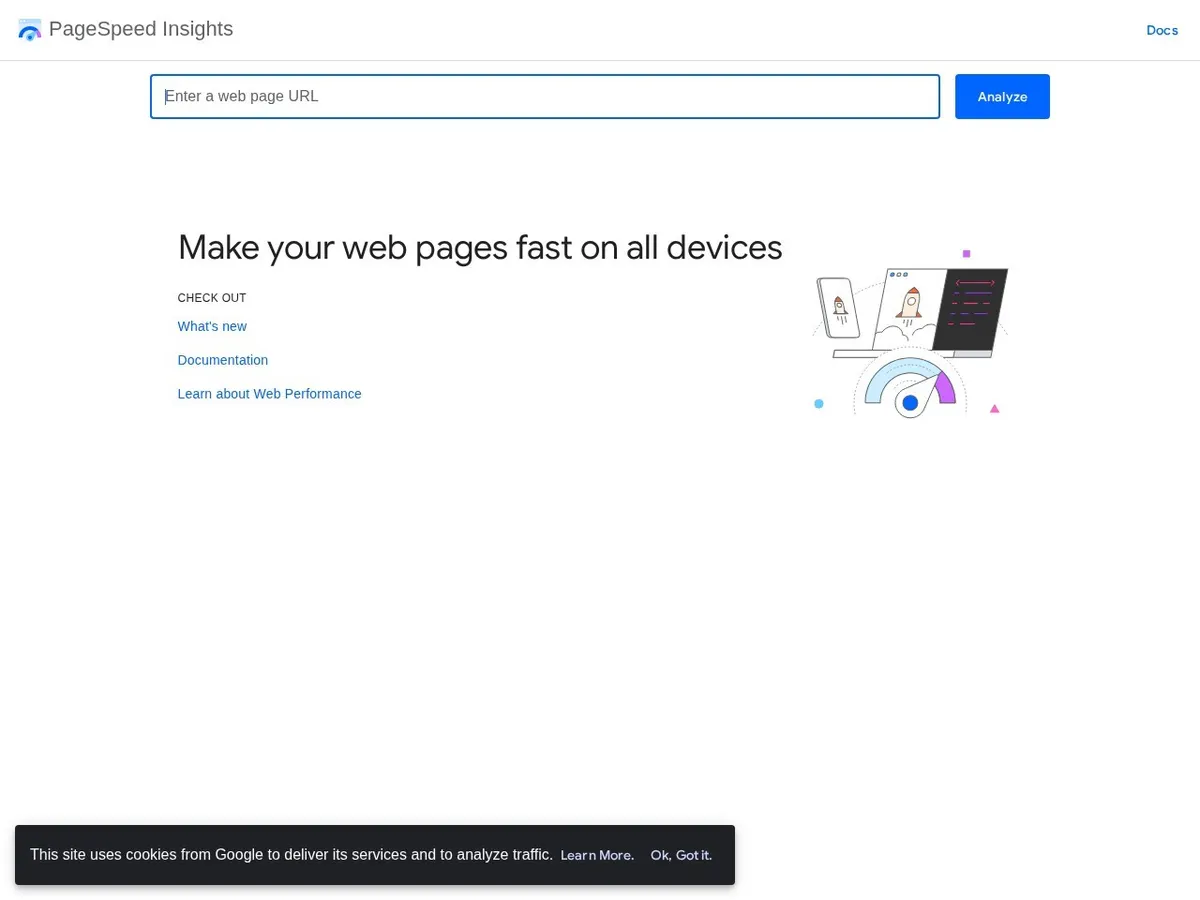
A slow site rarely gets a second chance. Heavy images, old themes and years of added plugins all add weight. Test your homepage free with PageSpeed Insights and look at the mobile score first. If the page takes more than a few seconds to become usable, that alone can justify serious work. We explained the cost in our guide to why website speed costs you customers.
4. Visitors come, but enquiries do not
Traffic without enquiries is the clearest sign of all. People arrive, look around, and leave without calling or filling the form. Often the cause is confusion, not disinterest: no clear main button, prices hidden, or five competing offers on one page. We covered these quiet killers in the UI/UX mistakes that quietly kill conversions. If they run through every page, a redesign fixes them together.
5. You cannot update it yourself
If changing a phone number or adding a festive offer means paying a developer and waiting a week, the site is working against you. A modern website should let your own team update text, prices and photos in minutes. When the editing system is too old or was never handed over properly, rebuilding is often cheaper than another year of paid changes.
6. It no longer matches what your business sells
Businesses change faster than websites. Perhaps you have dropped two services, added three new ones, moved cities or started selling online. If the site still describes the old business, it sends the wrong visitors to you and the right ones away. A redesign rebuilds the pages around what you sell today, which is core work in our custom website development.
7. Google sends you less traffic than it used to
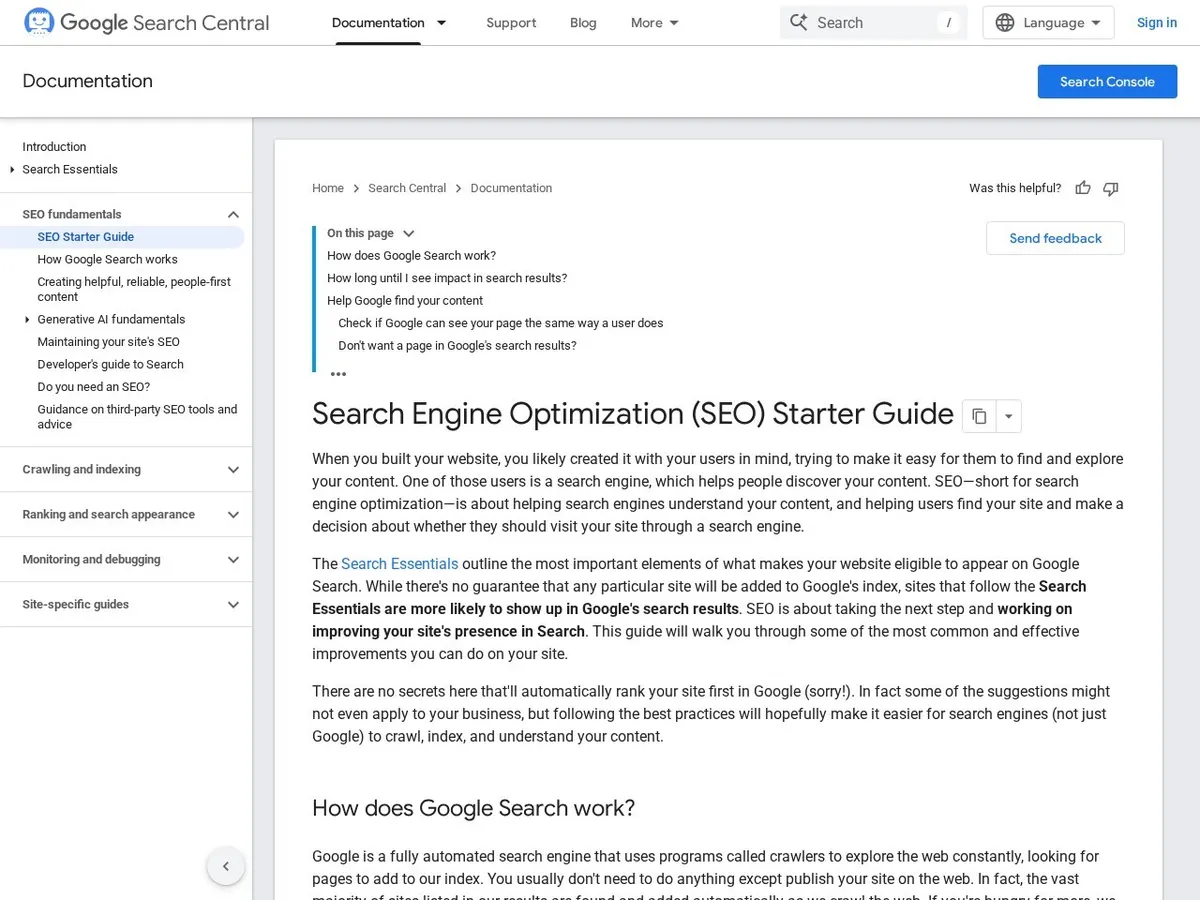
A steady fall in search traffic over 12 months can mean search engines find your site hard to crawl, slow or thin in content. Not every drop means redesign: sometimes better content or technical SEO is the fix. But if the structure itself is the problem, rebuilding gives you a clean base. Google's own SEO Starter Guide sets out the basics a healthy site should meet.
8. Trust details are missing, old or wrong
An old address, last year's prices, expired offers and no clear contact details all chip away at trust. One or two mistakes mean a tidy-up. When inaccuracies are everywhere because the site has not been maintained for years, visitors assume the business is careless, and a redesign with fresh, checked content is the honest reset.
9. It is hard to read and hard to use
Pale text on busy backgrounds, long unbroken paragraphs and buttons too small to tap exclude customers, including older visitors and anyone reading in bright sunlight. Readability is not an extra for large companies. It decides whether a large share of your audience can use the site at all.
10. It keeps breaking, or you worry it is unsafe
Outdated software, abandoned plugins and repeated errors are more than an inconvenience. They are a security risk, and a sign the foundations are worn out. When the platform itself is obsolete, keeping it patched gets harder every year. A planned rebuild, as part of wider software development work, is safer than waiting for a failure to force your hand.
So, redesign or just fix it?
Count your signs honestly. One or two: book focused fixes and measure the result. Three: a refresh plus targeted fixes may be enough, if the structure is sound. Four or more: plan a proper redesign, keep the URLs and content that rank on Google, and rebuild the rest. A good redesign keeps what works.
What a redesign honestly costs in India
A small business website redesign in India commonly costs ₹25,000 to ₹1,50,000, depending on pages, copy, photography and whether online selling is involved. E-commerce redesigns usually sit above that range. Timelines are commonly three to eight weeks. Be cautious with anyone who promises a fixed jump in enquiries or rankings.
Not sure how many of the ten signs your website shows? Tell us about your project: send us your website address and we will tell you plainly whether you need small fixes, a refresh or a full redesign.
Questions people ask us
How often should a business website be redesigned?
There is no fixed expiry date. Many business sites need a redesign every three to five years, because design habits, phones and customer expectations move on. The signs above matter more than the calendar.
How long does a website redesign take?
A typical small business redesign takes three to eight weeks once content and decisions are ready. Most delays come from waiting for text, photos and approvals, .
Will a redesign hurt my Google rankings?
It can, if done carelessly: changing URLs without redirects or deleting pages that rank will lose traffic. Done properly, with redirects and good content kept, a redesign should protect existing rankings. Ask your developer about redirects before work starts.
Can I redesign my website in stages?
Yes, and for many small businesses it is the sensible route. Start with the homepage and the top service pages, where most enquiries begin, then work through the rest under one agreed design system.